Verifactu in Spain: what changes for invoicing in 2027
Spanish companies will have to invoice with Verifactu-compliant software from 1 January 2027, and the self-employed from 1 July. The government has announced a further delay for SMEs that has not yet been published.
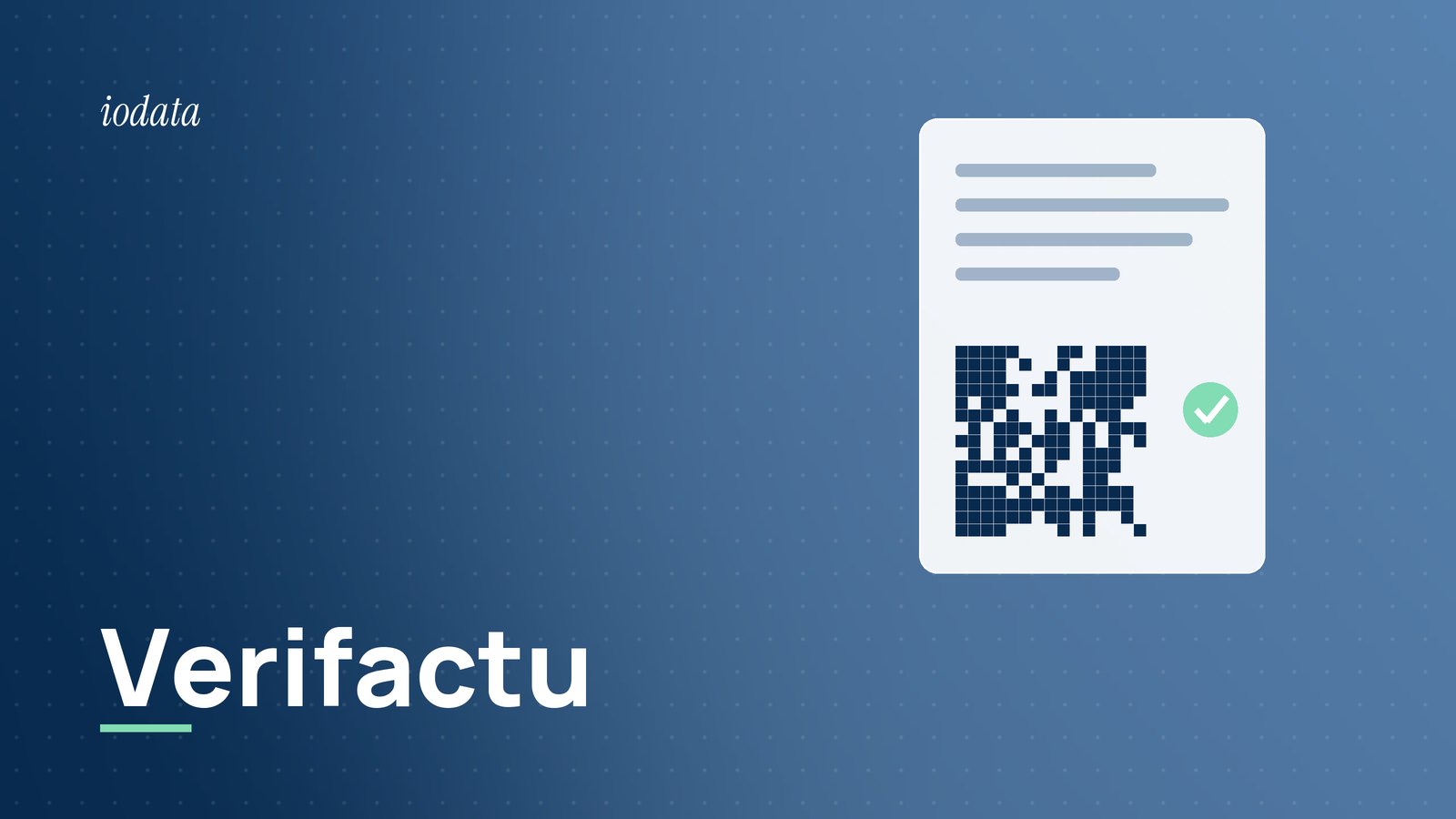
Verifactu is Spain's new regulation for invoicing software. Its aim is to end software that lets invoices be deleted or changed without a trace. For any business operating in Spain, it means reviewing its invoicing software.
What it requires
- Every invoice creates a record chained to the previous one (a fingerprint, or "hash"), so it cannot be altered without leaving a trace.
- Invoices carry a QR code that customers can check with the Spanish Tax Agency (AEAT).
- Records can be sent to the AEAT in real time (VERI*FACTU mode) or kept tamper-proof in the system itself.
- The software maker must issue a signed statement of compliance.
The dates
Under Royal Decree-Law 15/2025, the dates in force are 1 January 2027 for companies and 1 July 2027 for the self-employed and everyone else. In October 2026 the government announced a further delay, to 2028, for the self-employed and SMEs with turnover under 8 million euros. Until it is published in the official gazette (BOE), the official dates remain those of 2027.
Don't leave it until December: changing or updating invoicing software affects accounting, stock and integrations. Test it early.
What to do now
- Ask your software provider whether it is already compliant and request the statement of compliance.
- Review the integrations that issue invoices (online shop, ERP, point-of-sale terminals).
- Plan the update and test it before the deadline.
IODATA works with companies on both sides of the Portugal–Spain border and helps prepare systems and integrations. Get in touch.
Sources: Palencia Asesores, Cruz Guillén Abogados, Infoautónomos.
Keep reading
 Windows 11 in November: a menu your way and a PC that reinstalls itself from the cloudThe November Windows 11 update (KB5127936) arrives on 10 November with a customisable context menu, cloud recovery even when the PC won't boot, and a faster-starting Edge.Read
 Your director's voice, cloned with AI: the fraud that has reached businessesUS prosecutors have charged three men with stealing more than 129 million dollars by imitating executives' voices with artificial intelligence. Two were arrested in Spain.Read
 WatchGuard 2026: faster Fireboxes, Wi-Fi 7 and an AI that investigates attacksNew 25 and 100 Gbps Fireboxes, a compact T175, a Wi-Fi 7 access point and Rai, WatchGuard's AI that summarises incidents and scores your network security. Here is what changes for WatchGuard users.Read